Note No. 1 - Knowledge from the Land
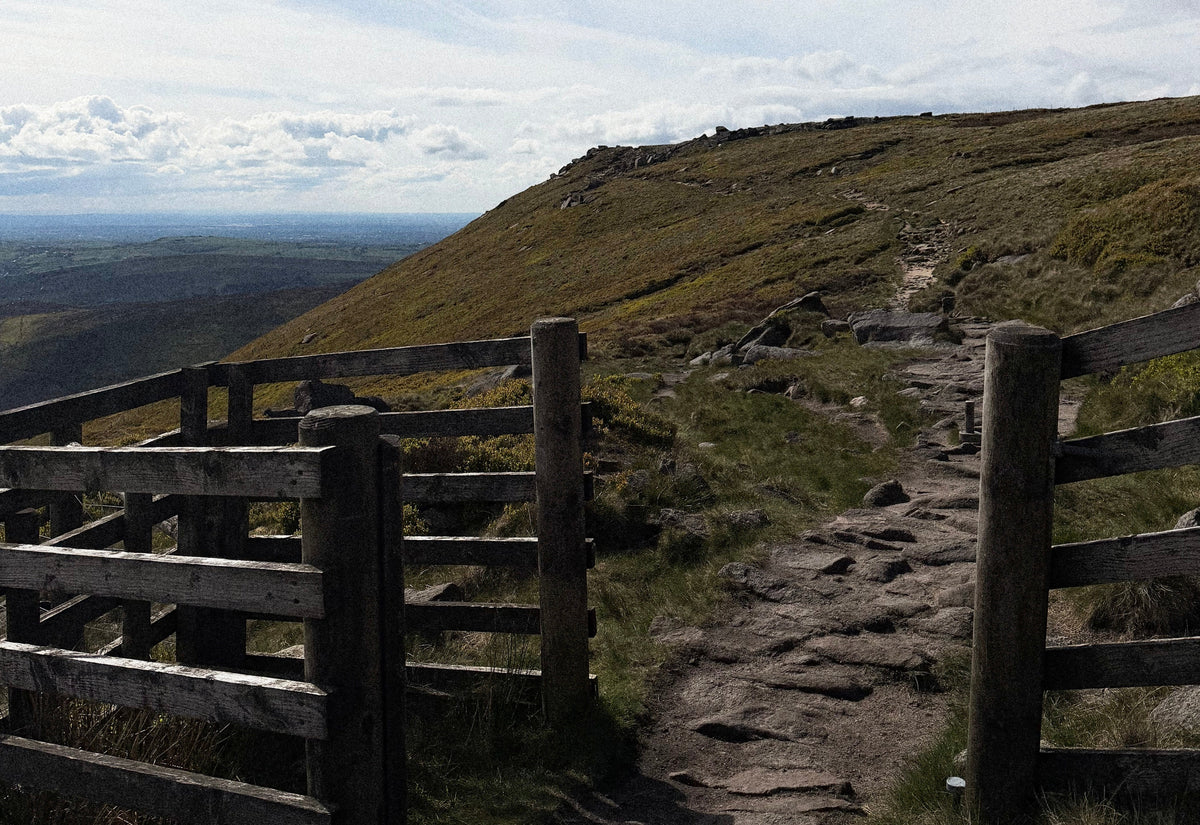
The Peak District sits at the centre of England geographically, but ecologically it occupies a more unique position; a collision of upland and lowland, gritstone and limestone, blanket bog and wildflower meadow, all compressed into a relatively small area and shaped by centuries of farming, industry, and weather. The Pennine moorlands catch the south-westerly winds coming off the Atlantic, forcing that moist air upward where it cools and drops its rain; the result is a landscape that is persistently, productively wet. It is not wilderness in any pure sense, but it is a landscape that has been shaped by water, and the plant life that has established itself in these conditions is unusually varied.
Long before plant medicine became a wellness trend, it was simply medicine, and in Britain, much of it came from the hedgerow, the field margin, and the bog.
Sphagnum moss is the architect of the Peak District's blanket bogs; it absorbs water at many times its own weight, builds the deep peat layers that have accumulated over thousands of years, and locks in carbon that has been sequestered since long before agriculture existed. Historically, it was also medicinally useful, used as wound dressing in both World Wars when conventional supplies ran short, but now it is an essential part of protecting and restoring the moorland. Yarrow, Achillea millefolium, named for the myth that Achilles was dipped in it except for his heel, grows freely on the drier moorland edges and has been used across cultures for millennia as a styptic and anti-inflammatory.
Meadowsweet colonises damp meadows, ditches and riverbanks and produces one of the most distinctive scents of a British summer; it contains salicylates, and aspirin was synthesised from compounds first isolated in this plant, the connection between meadowsweet and pain relief predating pharmaceutical chemistry by centuries. Raspberry leaf has a long and well-documented history of use for menstrual cramp and uterine support, well enough established that it remains in serious herbal practice today.
The folklore around these plants is older still. Elder was considered protective in the British folk tradition; to cut one without asking its permission was thought to bring bad luck, and planting elder near the house was a ward against evil. Whether or not we believe that now, the instinct behind it, that this particular tree is significant, and that it demands a kind of attention, reflects a genuine and practical knowledge of what it could do. The folk belief and the medicinal use were not separate categories; they were the same knowledge, held together.
This is not folklore in the sense of being quaint or unverified. It is the accumulated knowledge of people who lived close to this landscape and understood what it produced; knowledge that moved through households and communities for generations before it was written down, and which is now, in many cases, being confirmed by research that takes it more seriously.
Hallow is rooted in that tradition. The botanicals we use are chosen for what they actually do, in a landscape that has been producing them for longer than we have been here to notice. The Peak District is not the backdrop - it is the point.